

In This Guide
Winter in Pakistan (December to February) turns the north into a snow country. Here are the coldest places in Pakistan — where the temperature drops lowest and the snow falls deepest.
At a Glance
The coldest places in Pakistan are Skardu (-10°C to -20°C), Astore Valley (around -16°C), Kalat (around -14°C), Ziarat, Malam Jabba, Hunza Valley, Kalam, Naran, Murree, and Quetta. January is the coldest month. Visit mid-December to early March for the most reliable snowfall.
10 Coldest Places in Pakistan
1. Skardu

View Skardu on Google Maps
What to do: experience one of the coldest inhabited places in Pakistan — winter temperatures drop to -10°C to -20°C. See frozen Satpara Lake and Shangrila Lake, snow-covered Shigar and Khaplu valleys, and the white wonderland of the Cold Desert. How to reach: fly from Islamabad to Skardu (weather permitting) or drive the Karakoram Highway. Best time: January for the deepest snow. Tip: flights often get cancelled in winter — keep buffer days in your plan.
Skardu was once part of the Tibetan Empire, and its old Kharpocho Fort still watches over the town from a rocky hill. In winter the famous Shangrila Resort at Lower Kachura Lake sits silent under snow — a completely different world from the busy summer season. Skardu is also the launch point for K2 expeditions, and in winter you can see the great Karakoram peaks standing crystal-clear against blue skies.
2. Astore Valley
View Astore on Google Maps
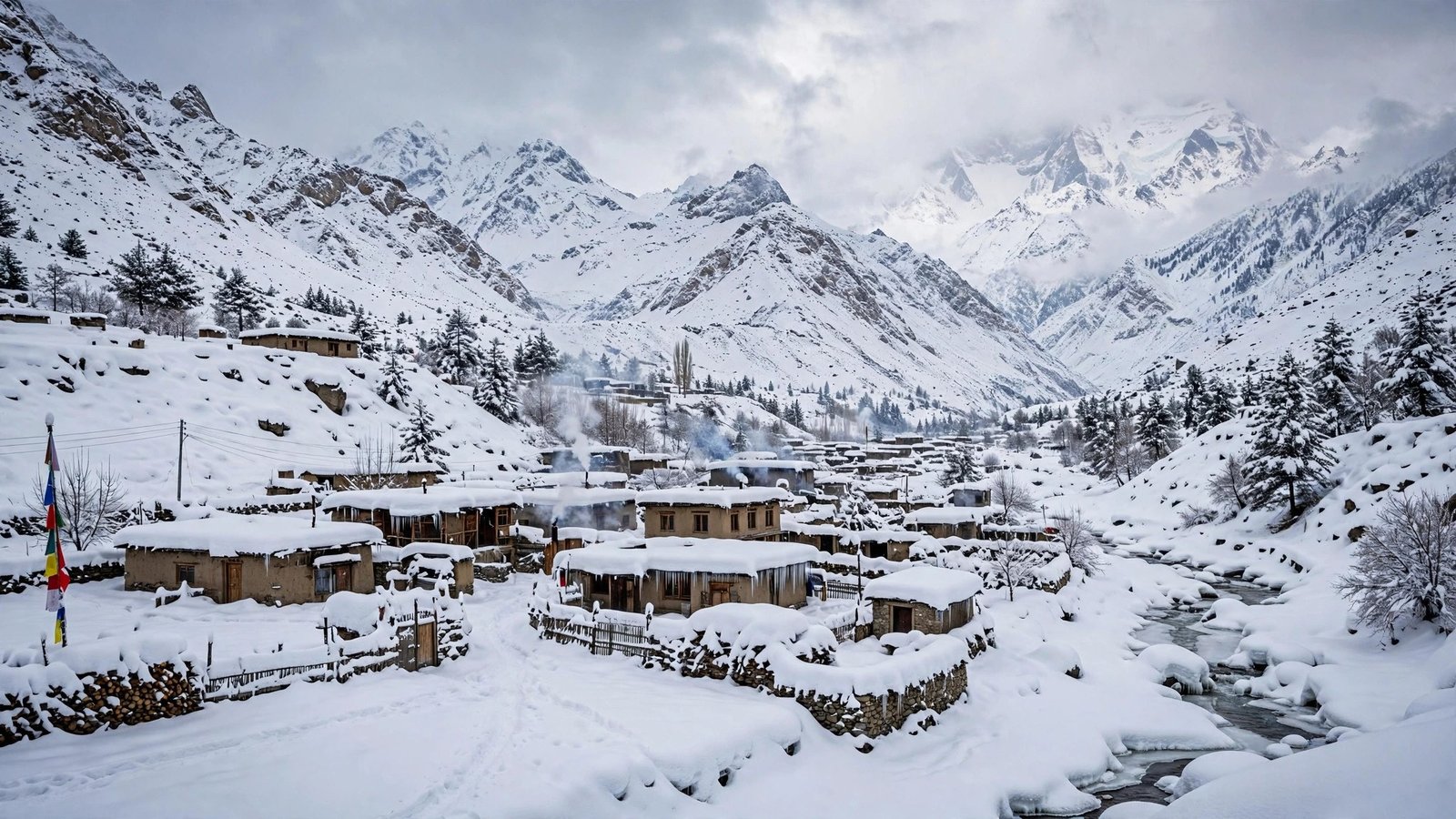
What to do: visit a hidden gem of Gilgit-Baltistan — snow reaches two or three feet in winter and temperatures drop to around -16°C. Astore is the gateway to the Deosai Plains, one of the highest plateaus in the world, buried under snow most of the year. How to reach: drive from Gilgit. Tip: Astore is less crowded than Hunza or Skardu — perfect if you want quiet winter beauty.
Near Astore town lies the beautiful Rama Valley, with Rama Lake freezing over in winter into a sheet of ice surrounded by snow-laden pine forests. From parts of Astore you can see the Rupal face of Nanga Parbat, one of the highest mountain walls in the world. Because Astore gets fewer tourists than Hunza or Skardu, its winter feels untouched — but carry supplies, as shops and restaurants are limited in the cold months.
3. Kalat
View Kalat on Google Maps
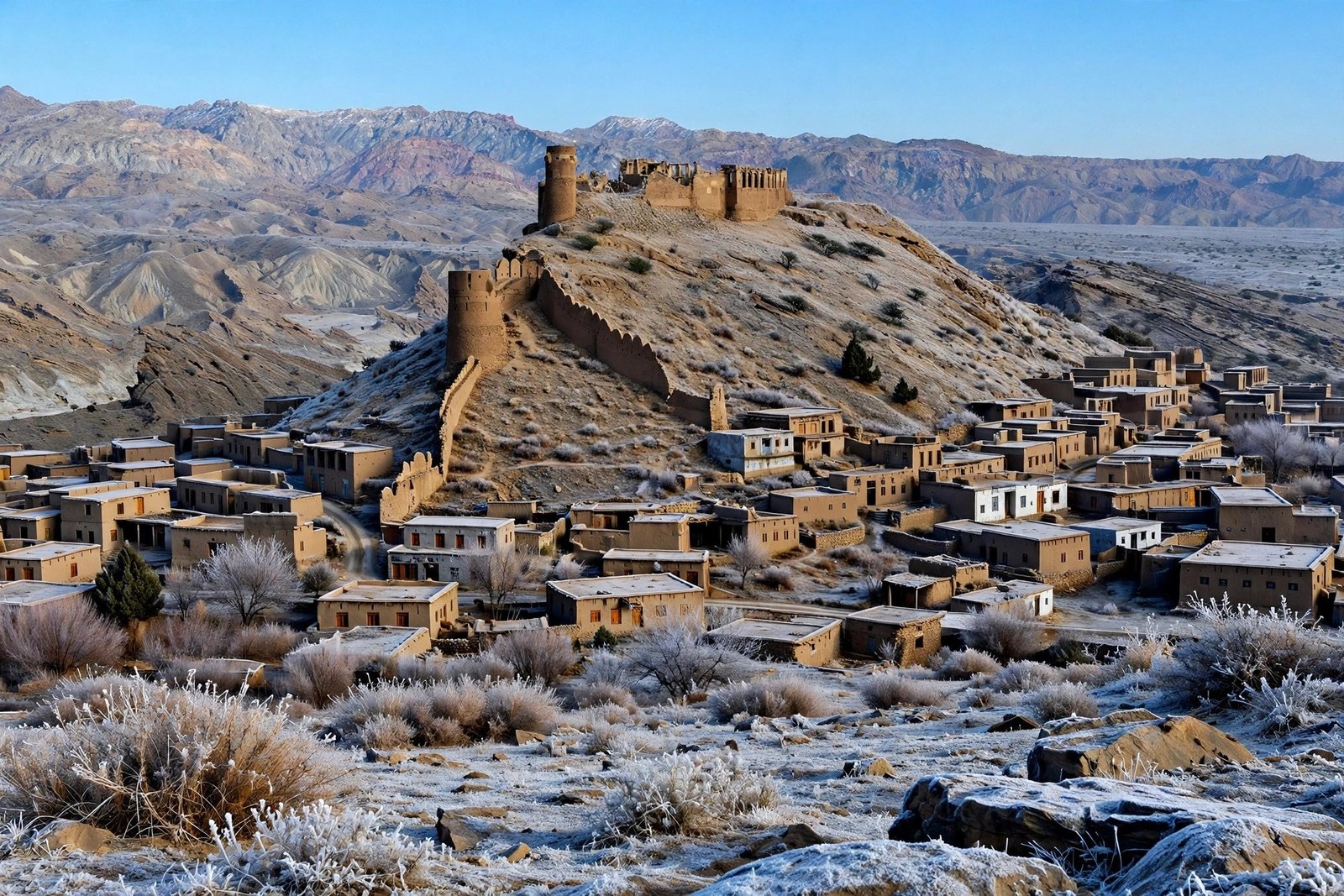
What to do: see one of the coldest cities in Pakistan — winter temperatures in this historic Balochistan town drop to around -14°C. The cold here is dry and harsh, crisp and snowless, very different from the north. How to reach: drive from Quetta. Tip: Kalat stays cool almost all year round — even summers are mild.
Kalat was the historic capital of the Kalat Khanate, and the old Meeri Fort still stands above the town as a reminder of its royal past. The cold here is a dry desert cold — the air is crisp, the skies stay clear, and frost covers the ground on winter mornings. Unlike the north, you will rarely be snowed in, which makes Kalat a good winter destination for travellers who want cold without the risk of blocked roads.
4. Ziarat
View Ziarat on Google Maps
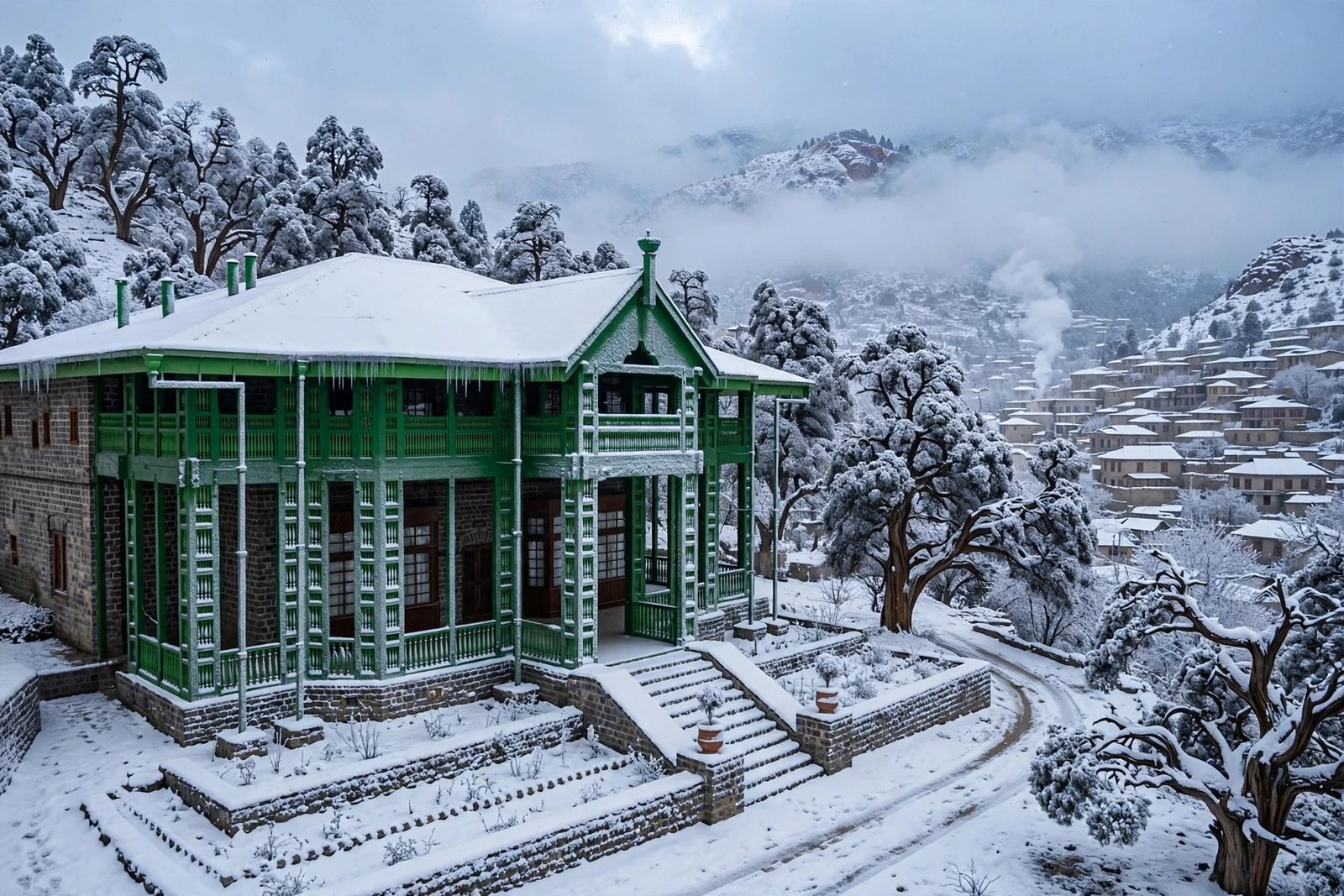
What to do: walk through ancient juniper forests dusted with snow — Ziarat is Balochistan’s most famous winter hill station. Visit the historic Quaid-e-Azam Residency and enjoy the peaceful mountain air. How to reach: about 3 hours by road from Quetta. Best time: December to February for snowfall. Tip: carry warm layers — nights are bitterly cold.
Ziarat’s juniper forests are among the oldest in the world — some trees are believed to be thousands of years old, twisted into strange shapes by centuries of wind and snow. The Quaid-e-Azam Residency, built in 1892, is where Pakistan’s founder spent his last days, and it looks beautiful with snow on its wooden verandas. The town’s dry fruit — especially its cherries and apples in season — is famous across Pakistan.
5. Malam Jabba

View Malam Jabba on Google Maps
What to do: ski at Pakistan’s premier ski resort — chairlifts, snowboarding, sledding, and ski rentals for beginners and experts. Winter temperatures range from -2°C to -8°C. How to reach: drive from Mingora in Swat via the Swat Motorway. Tip: book ski equipment and lessons in advance during peak season (January–February).
Malam Jabba’s ski resort was originally built in the late 1980s with Austrian collaboration, making it one of the oldest ski destinations in South Asia. After being destroyed in 2008, it was rebuilt with a modern chairlift, and today it also offers a zipline and snowboarding slopes. Even if you don’t ski, the chairlift ride up the mountain gives stunning views of the snow-covered Swat Valley.
6. Hunza Valley
View Hunza on Google Maps
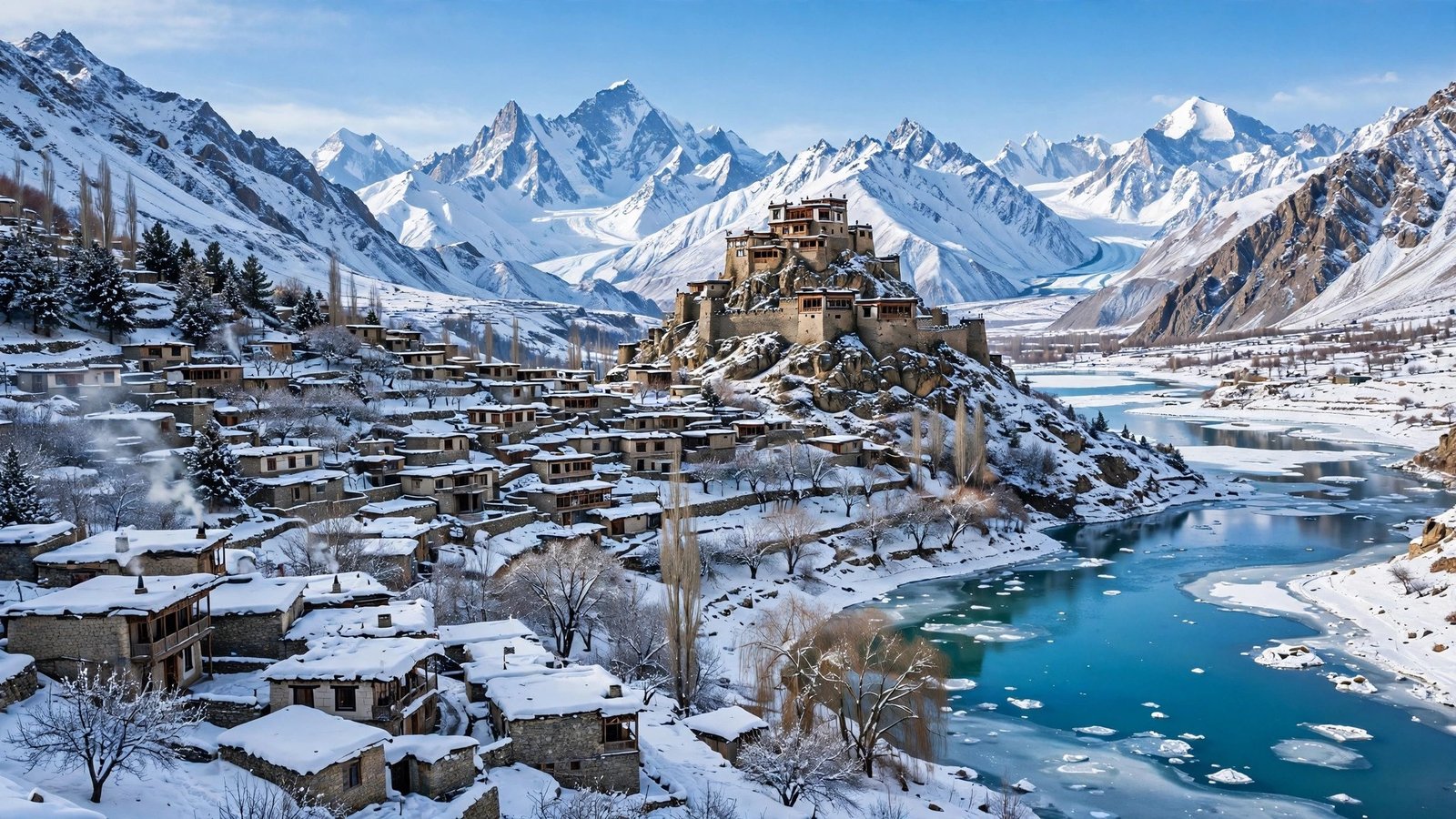
What to do: see Hunza in winter — quiet, white, and spectacular. The summer crowds are gone, Attabad Lake partly freezes, and Baltit Fort looks striking against the snow. Days are sunny but cold; nights drop well below freezing. How to reach: road via the Karakoram Highway or flights to Gilgit. Best time: December to February. Tip: many hotels close in deep winter — confirm your stay before travelling.
Winter is festival season in parts of Hunza — the traditional winter celebrations bring music, dance, and local food to the villages. With fewer tourists around, you get a real taste of local life: sitting by a bukhari (wood stove) with a cup of salted butter tea while snow falls outside. The Karakoram Highway stays open most of the winter, but always check conditions after heavy snowfall.
7. Kalam
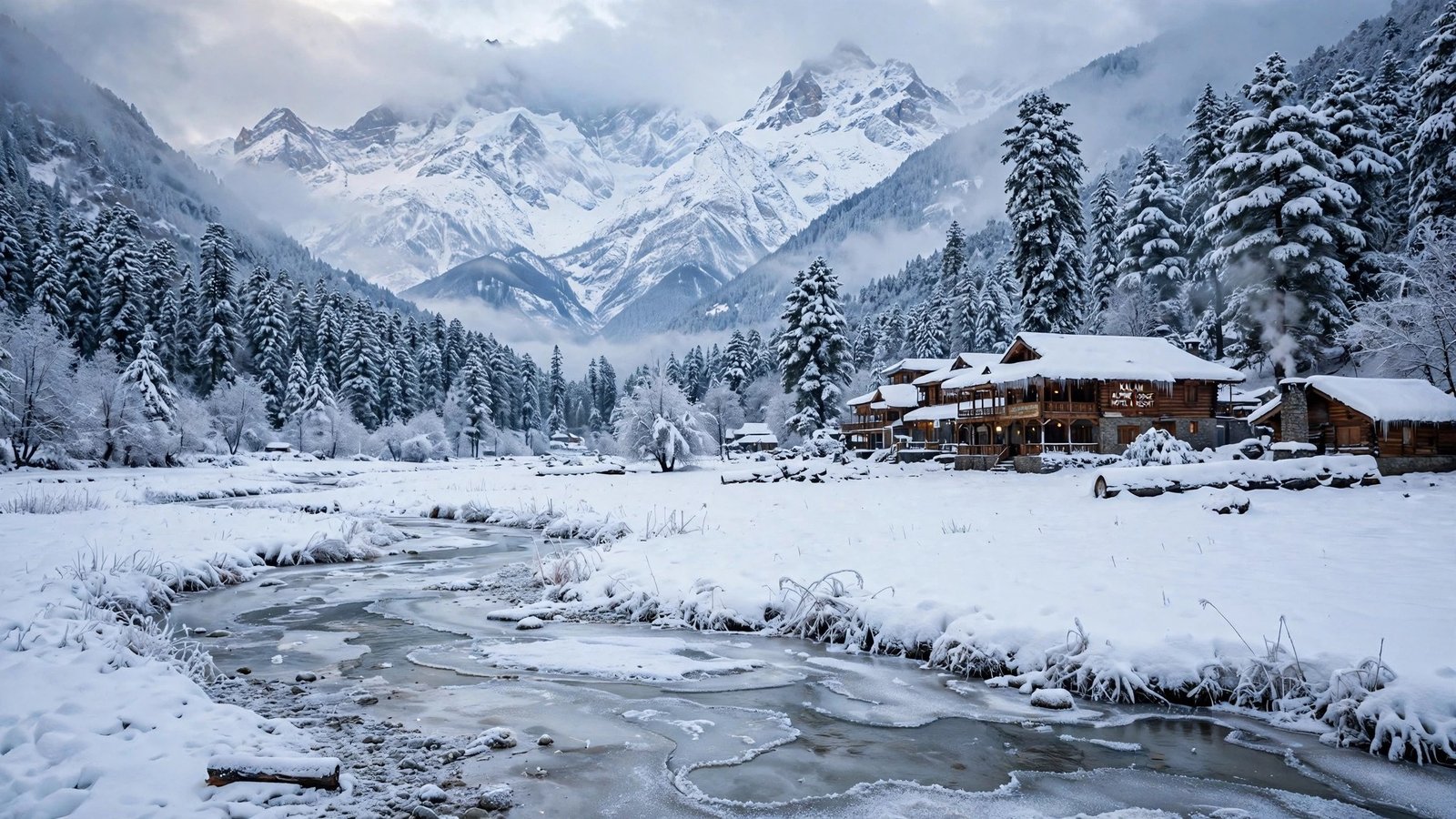
View Kalam on Google Maps
What to do: enjoy the “Switzerland of Pakistan” under snow — pine forests, frozen streams, and white meadows in the upper Swat Valley. Temperatures drop well below freezing at night. How to reach: drive from Mingora to Kalam (about 2–3 hours). Tip: the road beyond Kalam to Mahodand Lake is usually closed in winter.
Beyond Kalam lies the Ushu Valley, where the road climbs toward the famous Mahodand Lake — frozen solid and unreachable in winter, but beautiful to read about for a summer return trip. Kalam’s Usho Forest, thick with pine and cedar, looks magical when every branch carries snow. The town is known for its trout fish, and the local restaurants serve it fresh even in winter.
8. Naran
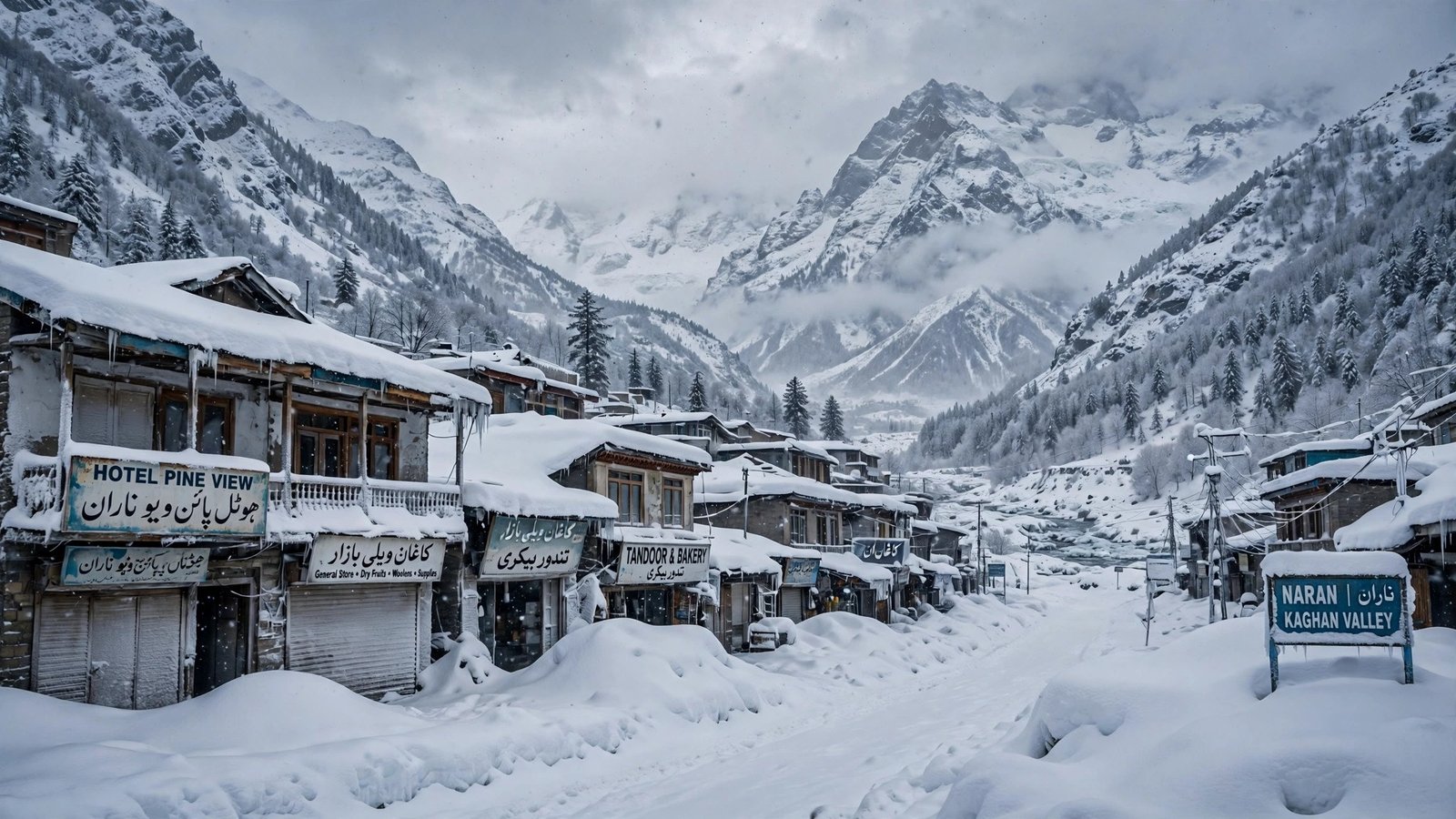
View Naran on Google Maps
What to do: see the Kaghan Valley at its most extreme — Naran gets buried in deep snow in winter. Important: most hotels close and roads can be blocked by avalanches, so Naran is for viewing from a safe distance or visiting in early winter only. How to reach: the road from Mansehra is often closed after heavy snow — check conditions locally. Tip: do not attempt Naran in January–February without confirmed local guidance.
In winter, even the famous Saif-ul-Malook Lake — the jewel of the Kaghan Valley — freezes completely and disappears under snow. The entire valley beyond Naran, including Babusar Top, shuts down, and the silence is total. This is why Naran in winter is strictly for experienced travellers with local contacts — for most visitors, the right move is to admire it in photographs and plan a summer trip instead.
9. Murree

View Murree on Google Maps
What to do: enjoy the most accessible snowfall in Pakistan — Mall Road under snow, chairlift rides at Patriata, and cozy hotel stays. Murree is the classic winter weekend trip from Islamabad and Rawalpindi. How to reach: 2 hours by road from Islamabad. Best time: January for the best chance of snowfall. Tip: weekends get very crowded — go on a weekday if you can.
Murree’s Patriata (New Murree) chairlift and cable car run in winter, carrying visitors over snow-covered pine forests between the hills. The neighbouring Galiyat region — Nathia Gali, Ayubia, and Changla Gali — gets equally good snowfall and is quieter than Mall Road. After heavy snow, the authorities sometimes restrict tourist entry for safety, so check the latest travel advisory before heading out.
10. Quetta

View Quetta on Google Maps
What to do: experience a snowy city winter — Quetta’s winter nights are among the coldest in the country’s cities. Visit Hanna Lake, often partly frozen, and take a day trip to Ziarat. How to reach: fly from Karachi or Islamabad, or drive. Tip: dress for real cold — layers, gloves, and a warm cap are essential.
From Quetta you can drive through the historic Bolan Pass, a mountain gorge that has carried traders and armies for centuries, now dramatic under winter skies. The city’s dry fruit markets are at their best in winter — pistachios, almonds, and dried apricots piled high in the bazaars. Quetta’s winter is a dry cold, so the chill bites less than the damp cold of the north, but nights still demand heavy clothing.
How to Reach
Most of the coldest places in Pakistan are in the north — Gilgit-Baltistan and Khyber Pakhtunkhwa — reached by road or by flights to Gilgit and Skardu (often disrupted in winter). Kalat, Ziarat, and Quetta are in Balochistan, reached from Quetta city. Murree is the easiest, just 2 hours from Islamabad. For the northern valleys, see our guide to places to visit in northern areas.
Best Time to Visit
Mid-December to early March is the peak snow season in Pakistan. January has the most reliable snowfall and the lowest temperatures. Late February and early March are ideal for scenic drives with more manageable roads. Always check road conditions before travelling — Babusar Top stays closed all winter, and even the Karakoram Highway can shut temporarily after heavy snow.
FAQs
What is the coldest place in Pakistan?
Skardu is consistently ranked among the coldest inhabited places in Pakistan, with winter temperatures dropping to -10°C to -20°C. Khunjerab Pass is even colder but is closed to tourists in winter.
Which is the coldest city in Pakistan?
Kalat in Balochistan is one of the coldest cities, with temperatures around -14°C in winter. Quetta and Skardu are also among the coldest cities.
Where does it snow in Pakistan?
It snows across the northern areas — Skardu, Hunza, Astore, Kalam, Malam Jabba, Naran, Murree, and the Galiyat region — and in Balochistan at Ziarat, Quetta, and Kalat. Even Gorakh Hills in Sindh sees occasional snowfall.
What is the best month to see snow in Pakistan?
January is the best month for reliable snowfall across Pakistan. December brings the first heavy snow, and February–March still have snow with milder travel conditions.
Is it safe to travel to northern Pakistan in winter?
Yes, with preparation — check road conditions daily, keep buffer days for flight cancellations, carry warm clothing and emergency supplies, and confirm hotels are open before travelling. Avoid closed routes like Babusar Top.
For more winter destinations, see this guide to the coldest places in Pakistan on Truly Pakistan.
Important Disclaimer
Winter temperatures and road conditions change fast — confirm locally before travelling. Some routes (Babusar Top, Deosai, Khunjerab) stay closed all winter. Carry warm clothing, emergency supplies, and keep buffer days in your plan.