

Naran Kaghan, in the heart of the Kaghan Valley, is Pakistan’s most visited mountain valley — 155 kilometres of glacial lakes, alpine meadows, and the high Babusar Pass in the Mansehra District of Khyber Pakhtunkhwa.
If you want to extend your trip beyond Kaghan Valley to the wider mountain region, see our guide to the northern areas of pakistan for Hunza, Skardu and the high passes.
In This Guide
- At a Glance
- 10 Best Places to Visit in Naran Kaghan
- Saif-ul-Malook Lake
- Lulusar Lake
- Babusar Top
- Shogran
- Siri Paye Meadows
- Ansoo Lake
- Dudipatsar Lake
- Batakundi
- Kunhar River
- Naran Bazaar
- How to Reach
- Best Time to Visit
- FAQs
At a Glance
The best places to visit in Naran Valley and Kaghan Valley are Saif-ul-Malook Lake, Lulusar Lake, Babusar Top, Shogran, Siri Paye Meadows, Ansoo Lake, Dudipatsar Lake, Batakundi, the Kunhar River, and Naran Bazaar. Naran town (about 2,400 m) is the main base. The valley is open roughly May to October – it closes in winter due to heavy snow.
10 Best Places to Visit in Naran Kaghan
1. Saif-ul-Malook Lake
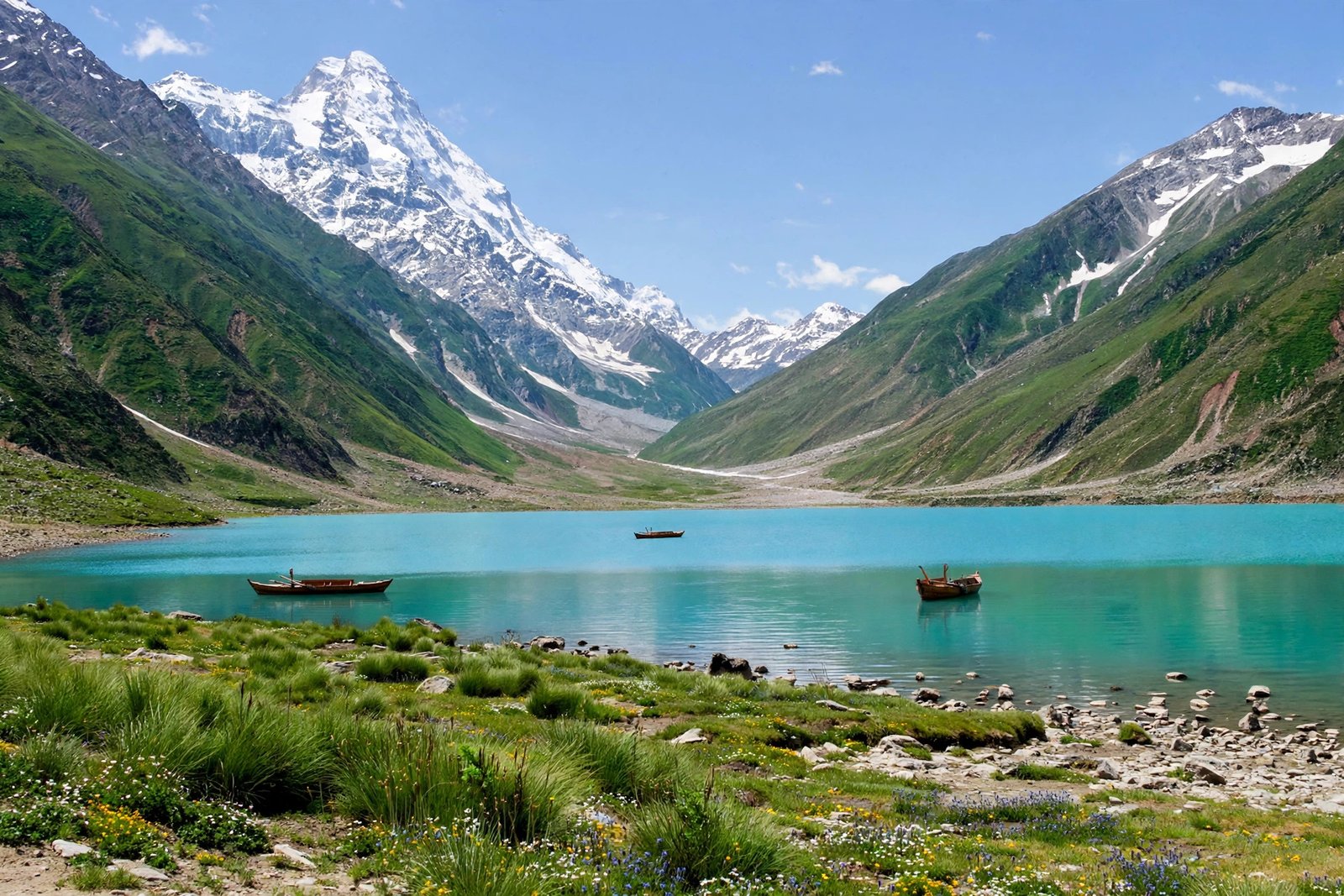
What to do: see the valley’s signature attraction — a turquoise glacial lake at 3,224 m, ringed by peaks including Malika Parbat. Walk around the shore, take a boat ride, and hear the legend of Prince Saif-ul-Malook who fell in love with a fairy here. How to reach: 9 km from Naran town by 4×4 jeep (about 30 minutes) on a rough mountain track. Best time: June to September, when the track is fully open.
The best experience here is early morning, when the lake is perfectly still and Malika Parbat reflects in the water. The jeep track is rough and bumpy, so people with back problems should be careful. There are small tea stalls and a few boats near the shore, but no hotels — plan this as a half-day trip from Naran town.
View Saif-ul-Malook Lake on Google Maps
2. Lulusar Lake
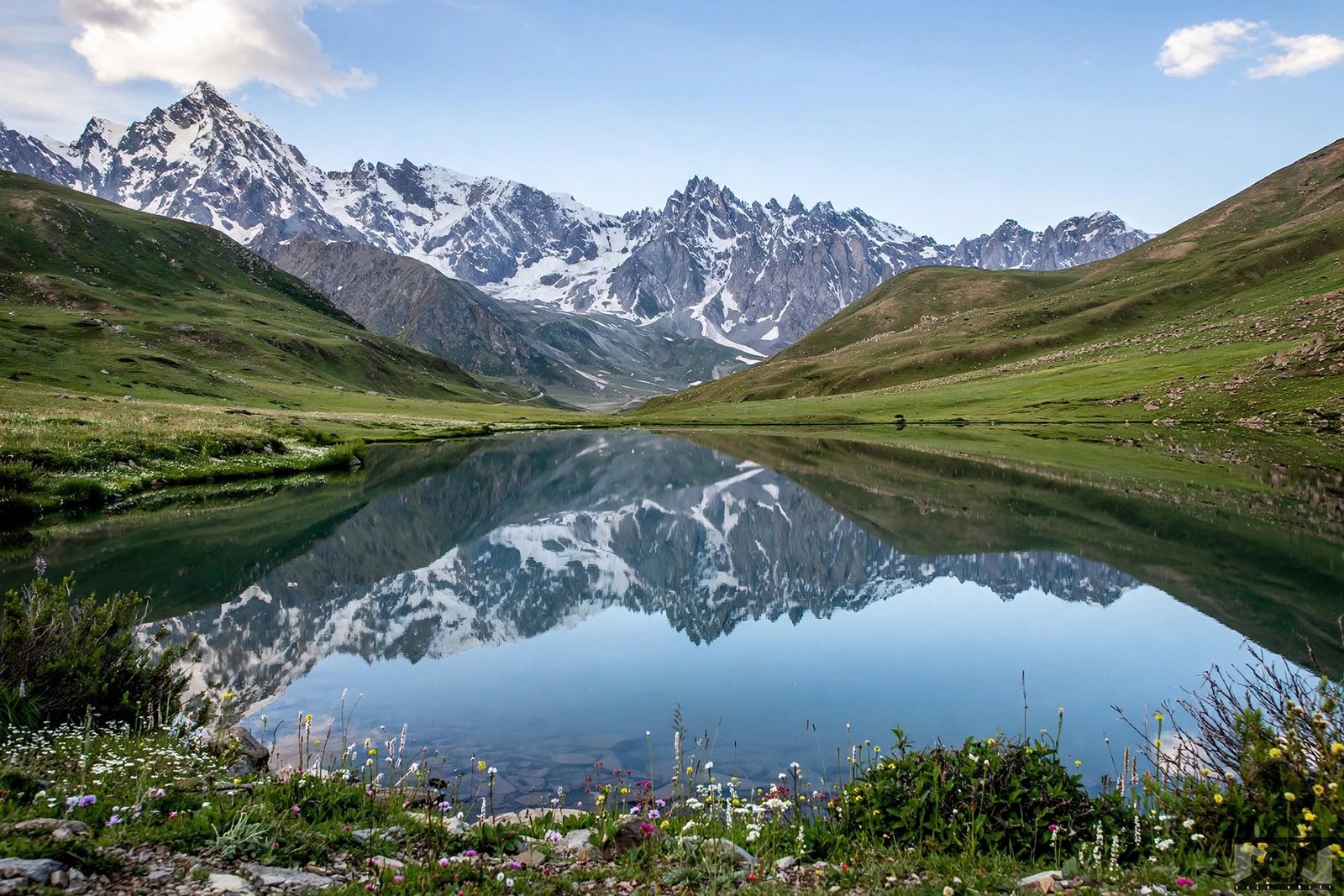
What to do: visit the largest lake in Kaghan Valley — calm, reflective, and much quieter than Saif-ul-Malook. It is the source of the Kunhar River. How to reach: about 50 km from Naran on the road toward Babusar Top; road-accessible. Tip: combine it with Babusar Top in one day trip.
Because most tourists rush to Babusar Top, Lulusar often stays peaceful even in peak season. The lake sits in a wide open valley, so the wind can be strong — bring a light jacket even in summer. Photographers love the reflections here at midday, when the sun is directly overhead.
View Lulusar Lake on Google Maps
3. Babusar Top
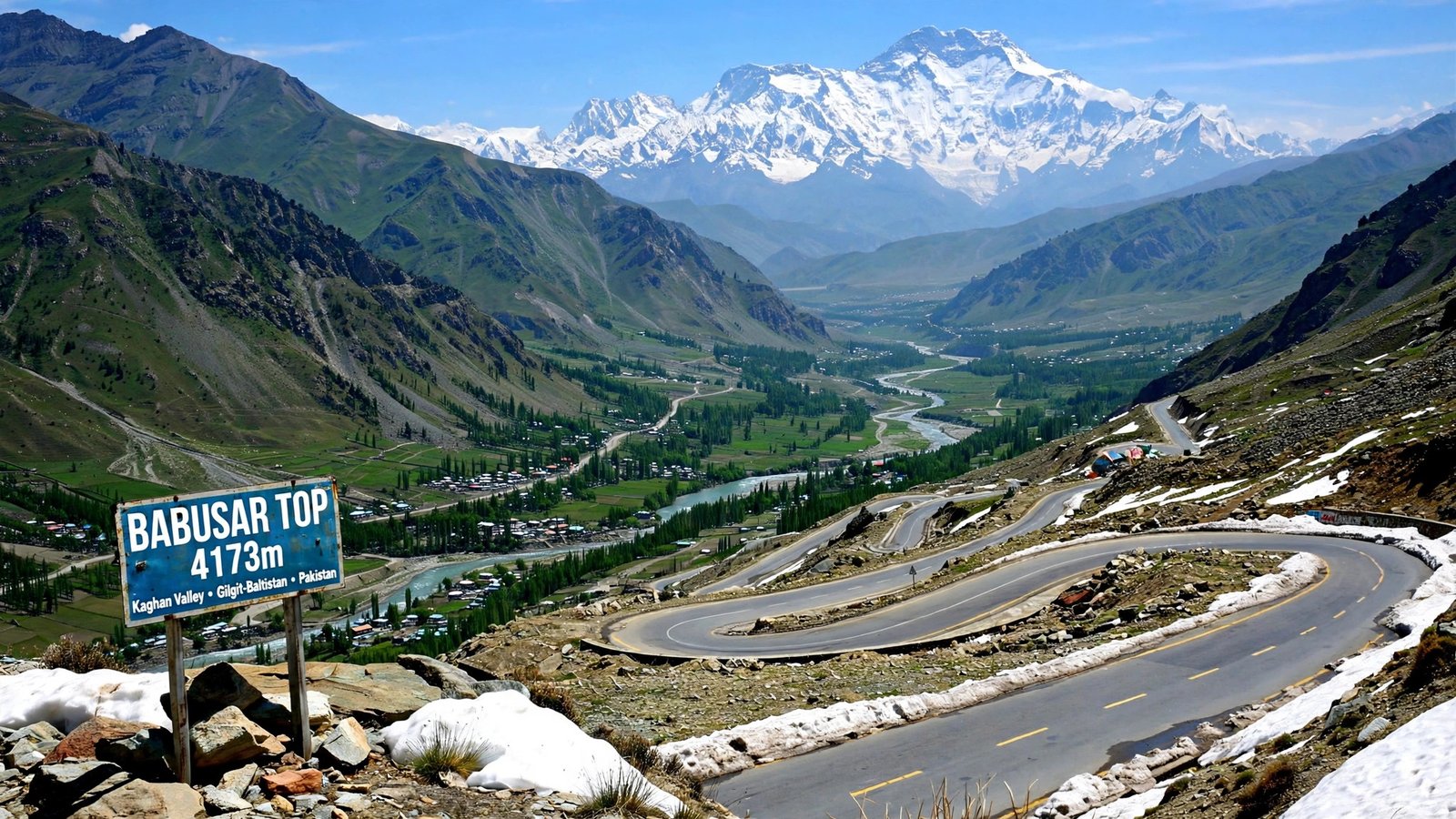
What to do: stand at 4,173 m on the high pass connecting Kaghan Valley to Gilgit-Baltistan, with sweeping views over the valley — Nanga Parbat is visible on clear days. How to reach: about 65 km from Naran; jeep essential. Important: the pass is open roughly late May to October, daylight travel only (about 7 AM to 6 PM). Check locally before going.
On a clear day, the view stretches all the way to Nanga Parbat, the ninth-highest mountain in the world. The air is thin at 4,173 m, so walk slowly and drink water. There are small food stalls and a few shops at the top selling dry fruits and warm clothes. Descending toward Chilas, the landscape changes dramatically from green valleys to dry rocky mountains.
View Babusar Top on Google Maps
4. Shogran
What to do: enjoy a charming hill station at 2,362 m — lush meadows, dense pine forests, and relaxed walks. Great for families who want mountain air without tough trekking. How to reach: drive to Kiwai from Balakot, then take a jeep up to Shogran. Best time: May to October.
Shogran is the easiest mountain escape in the valley — families with small children often choose it over the higher lakes. The pine forests around the town are perfect for short nature walks, and the sunrise views from the main ridge are beautiful. Many visitors combine Shogran with Siri Paye in a single day trip.
5. Siri Paye Meadows
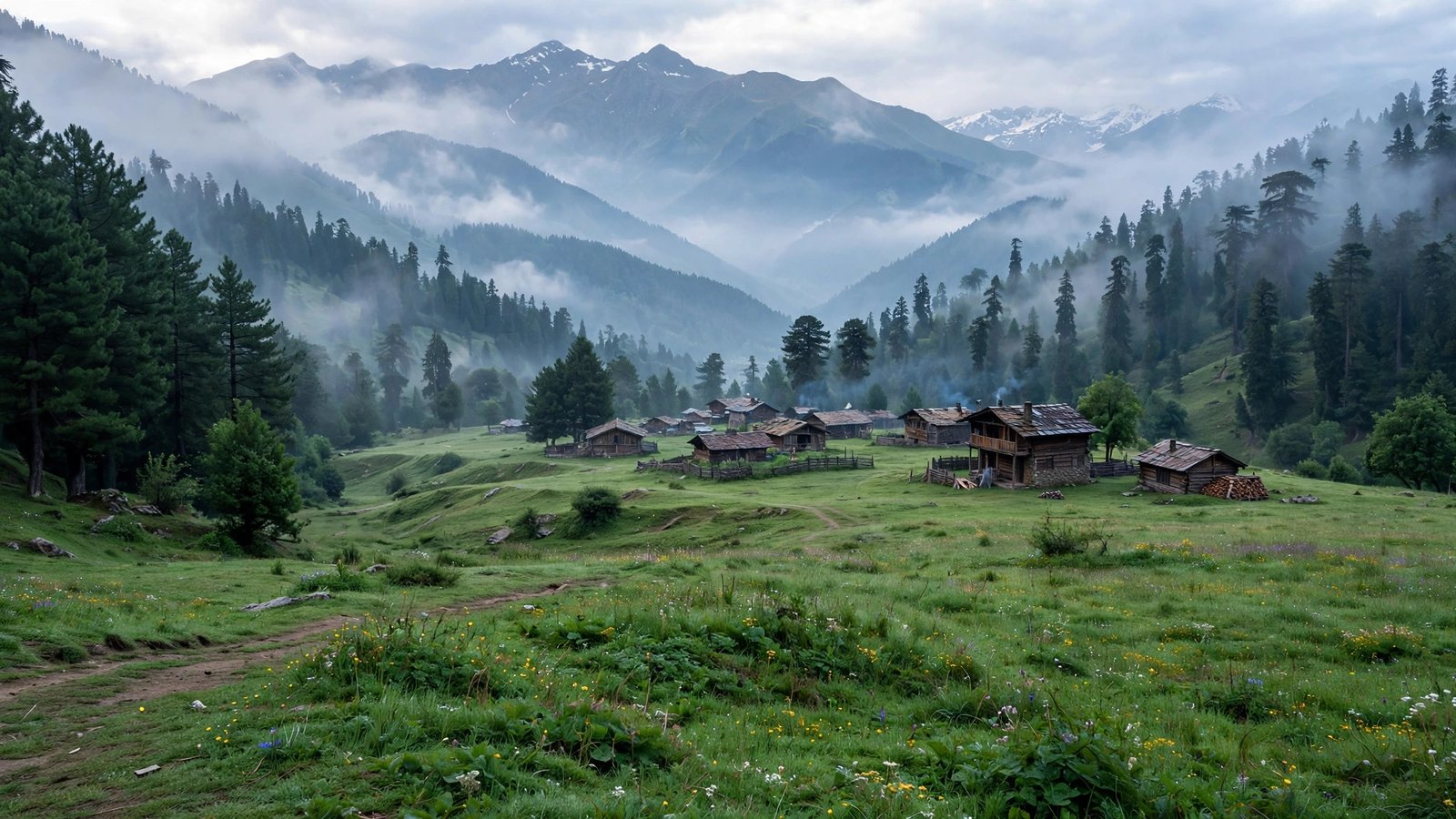
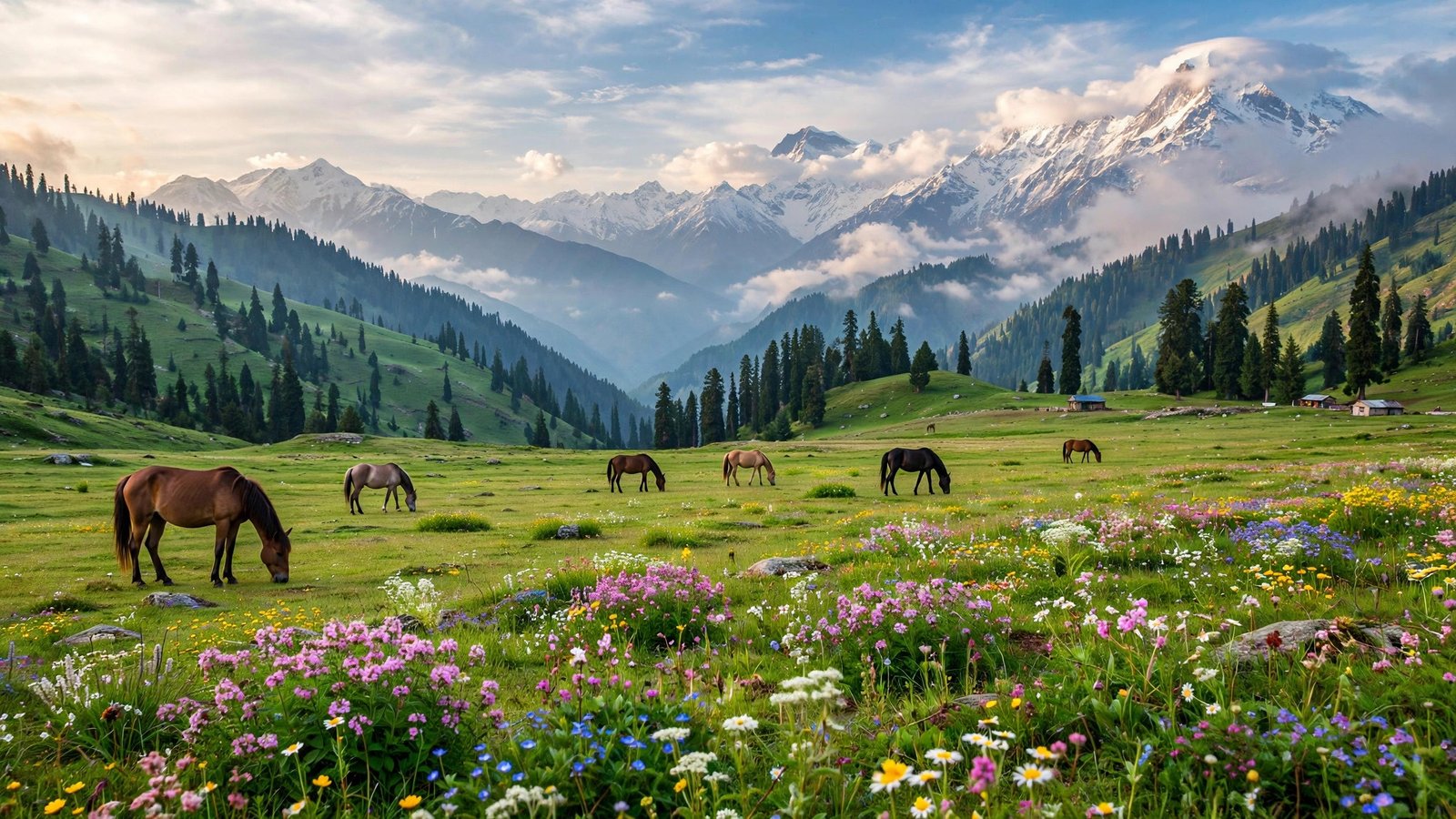
What to do: walk through stunning alpine meadows at 3,058 m, surrounded by wildflowers in summer and peaks on every side. How to reach: by jeep from Shogran (about 30–45 minutes). Tip: go in the morning for the clearest views; clouds often build up by afternoon.
In June and July, the meadows are covered with wildflowers, and you may see horses grazing freely. The track from Shogran is steep in places — sit tight and enjoy the ride. There are a couple of small hotels and camps at Siri Paye if you want to stay overnight and watch the stars.
View Siri Paye Meadows on Google Maps
6. Ansoo Lake
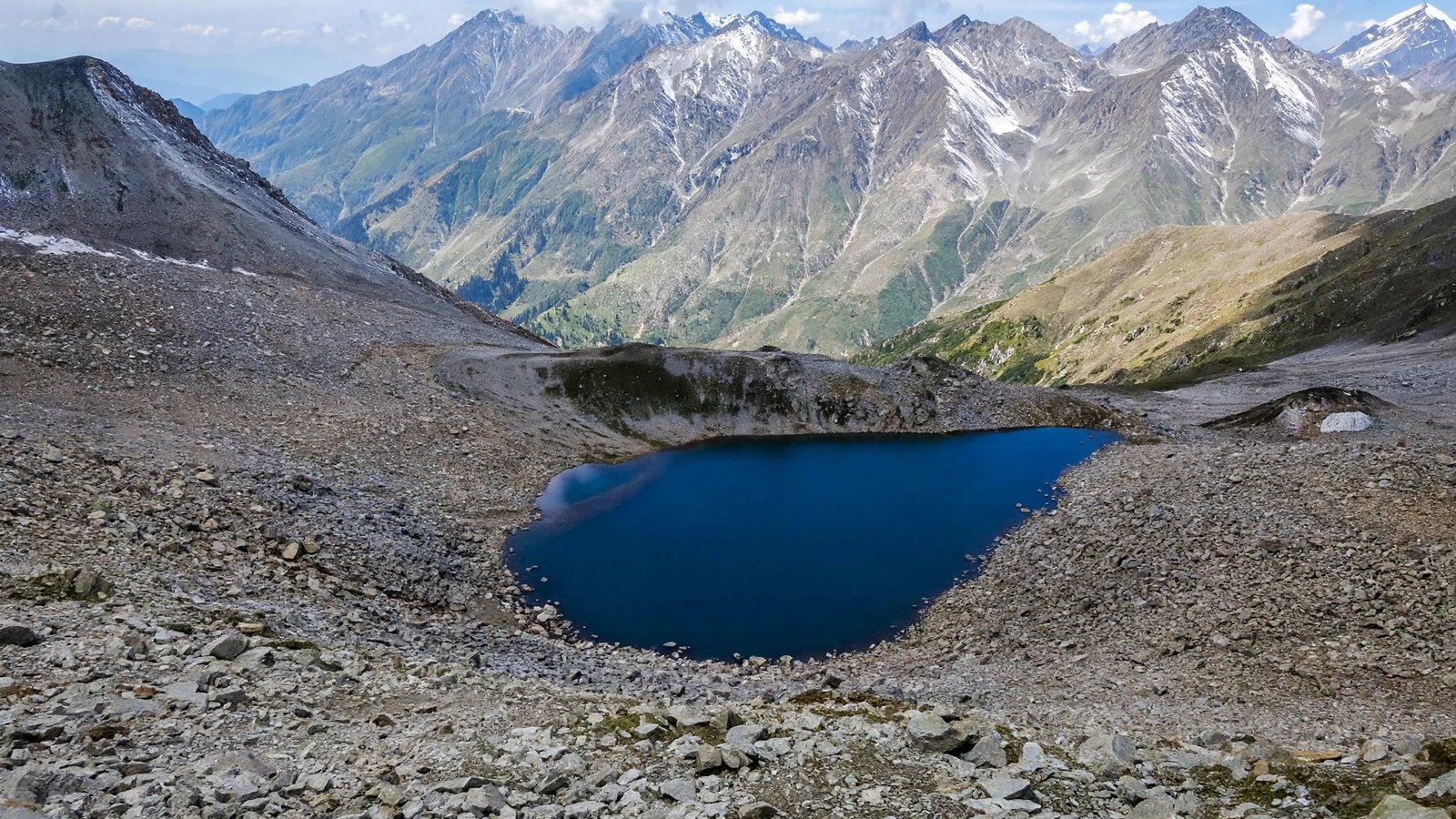
What to do: trek to one of Pakistan’s most spectacular hidden lakes — tear-shaped, at 4,245 m, and almost empty of tourists. How to reach: trek only, 7–8 hours from Saif-ul-Malook Lake. Important: strenuous — only for experienced trekkers with proper gear. Best in July and August.
The name Ansoo means tear, and the lake’s shape really does look like one from above. The trek crosses high ridges with no water sources, so carry enough water and snacks. Because it is so demanding, only a few dozen trekkers reach it each season — you will likely have the whole lake to yourself.
View Ansoo Lake on Google Maps
7. Dudipatsar Lake
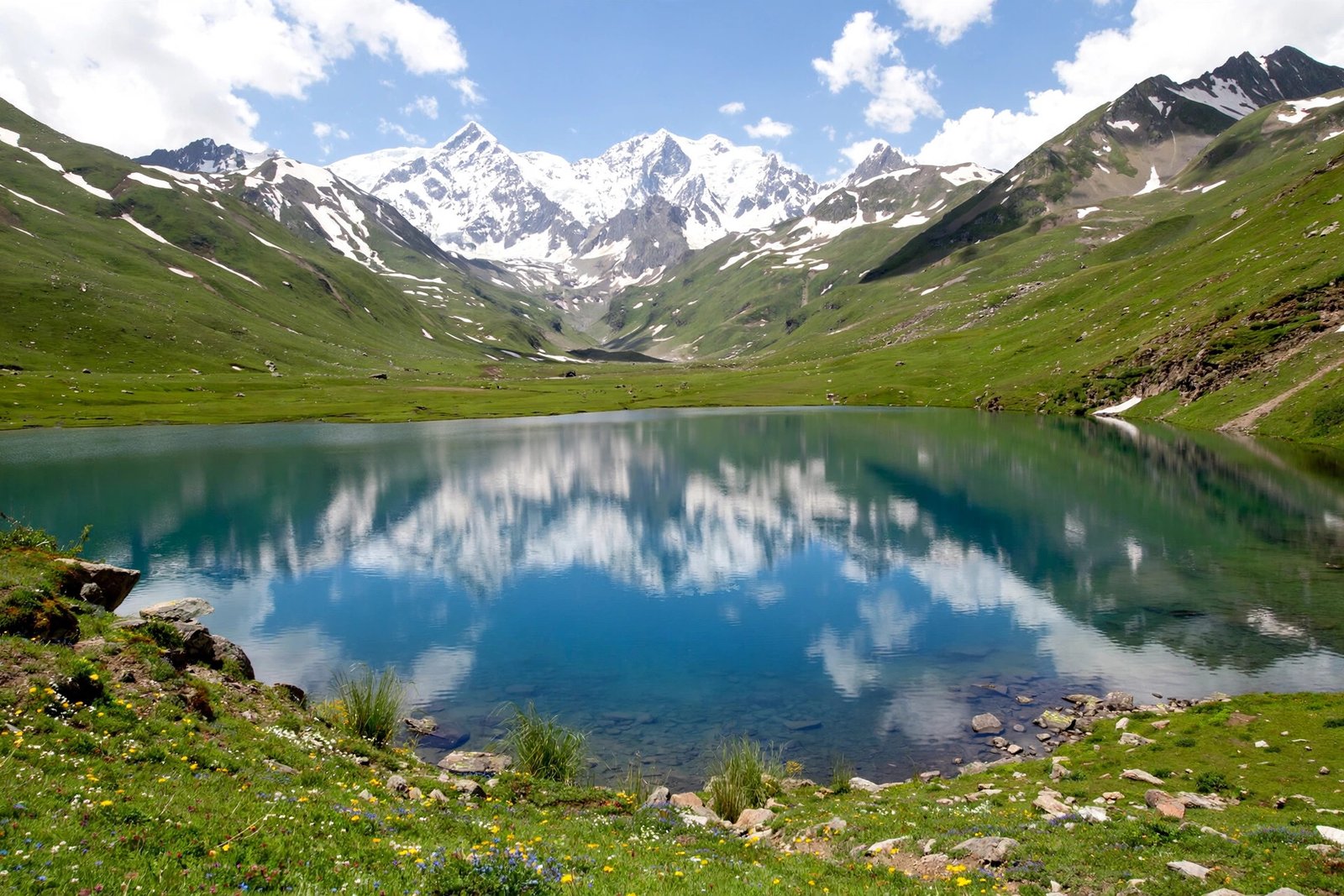
What to do: visit a remote, pristine lake with crystal-clear water and almost no crowds — a true wilderness experience. How to reach: long jeep ride from Naran (about 9 hours on a difficult track) plus trekking; no hotels or restaurants on the way. Tip: go with an experienced local guide and camp overnight.
Dudipatsar means white lake, named for the snow that surrounds it even in summer. The full journey from Naran takes two to three days, usually with a night at the Besal rest house. Trekkers call it the Queen of Lakes — it is one of the most rewarding remote destinations in all of Pakistan.
View Dudipatsar Lake on Google Maps
8. Batakundi
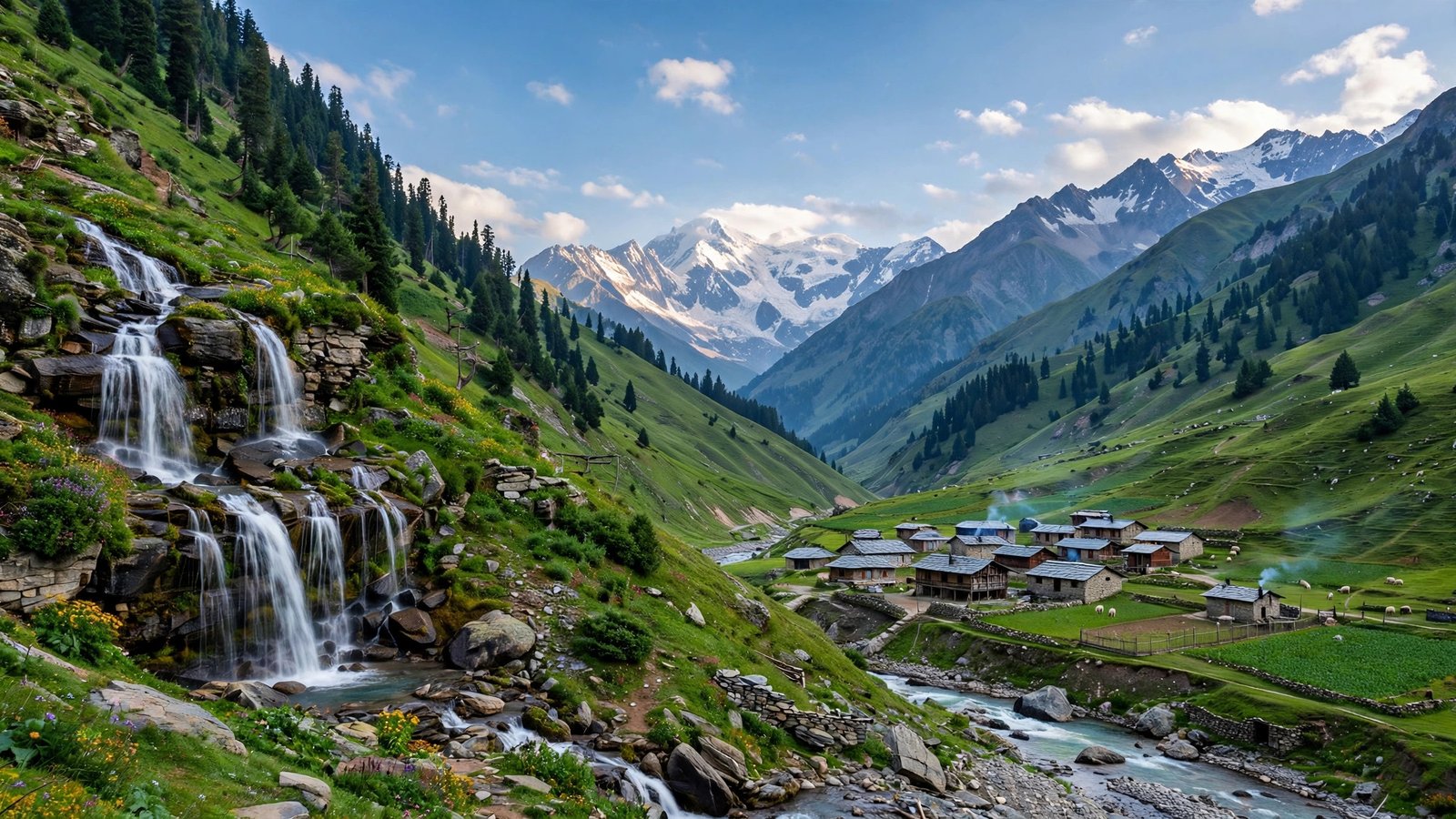
What to do: stay in a quiet mountain village north of Naran — hike the surrounding hills, enjoy the waterfalls, and escape the bazaar crowds. How to reach: on the Naran–Babusar road, a short drive from Naran town. Tip: a good overnight stop if you want peace before the busy lake trips.
Batakundi is famous for its waterfalls, which are at their fullest in July when the glaciers melt. The village has several hotels and is much quieter than Naran, so many travellers now prefer staying here. From Batakundi you can also start short hikes into the surrounding side valleys.
9. Kunhar River
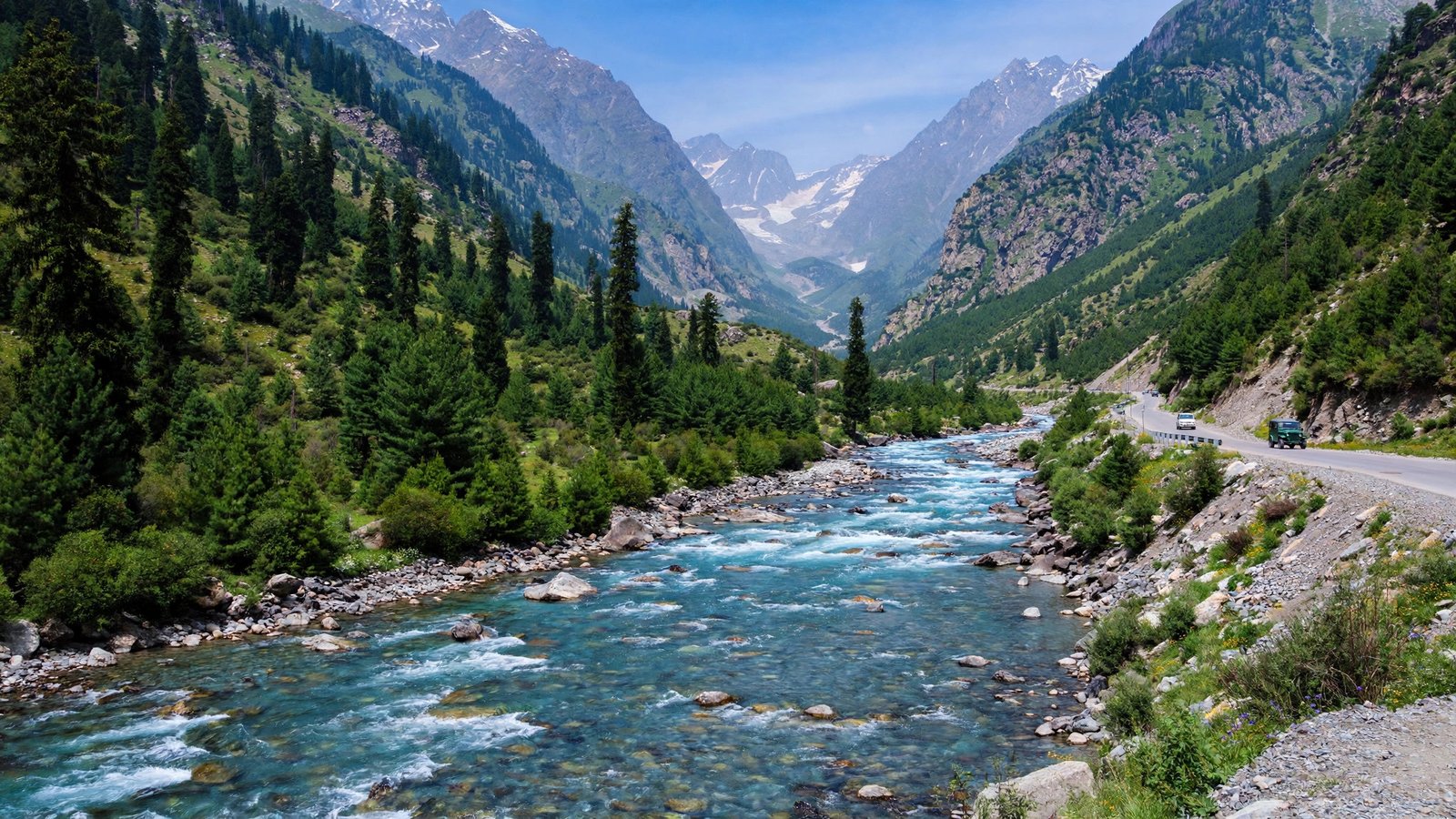
What to do: walk along the glacier-fed river that runs the length of the valley — photography, riverside picnics, and trout fishing (the Kunhar’s trout is considered among the best in South Asia; fishing licenses are issued at Naran). How to reach: the river follows the main valley road from Balakot to Naran — you will cross it many times. Tip: the water is milky white near the glaciers and turns crystal clear downstream.
The river gets its name from the Kohistan region, and its water comes straight from melting glaciers. Rafting trips run on calmer stretches near Naran in summer — book through a local operator and always wear a life jacket. The best riverside picnic spots are just outside Naran town, away from the bazaar noise.
View Kunhar River on Google Maps
10. Naran Bazaar
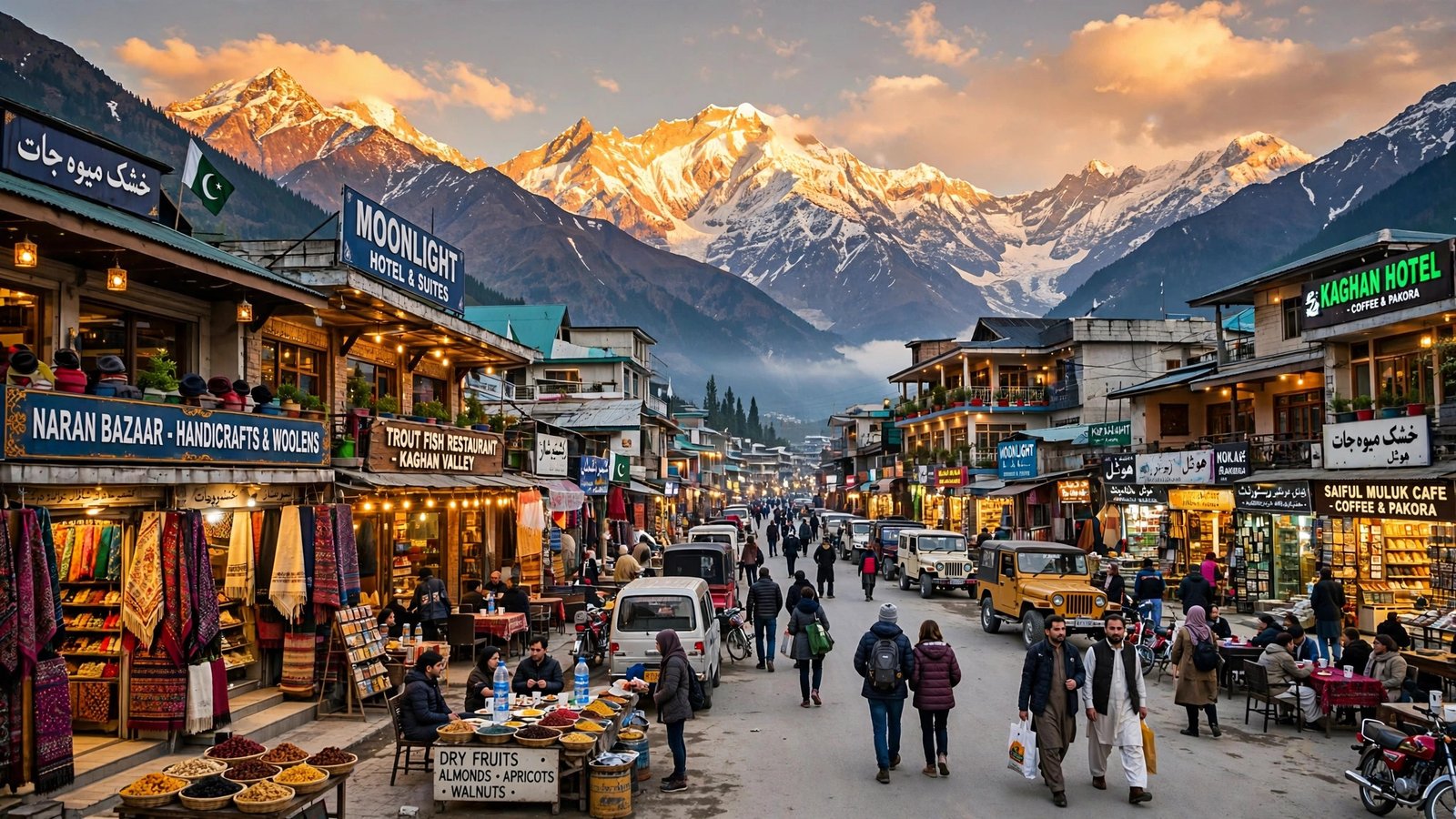
What to do: explore the main bazaar of Naran town — hotels, restaurants, souvenir shops, and the jeep stands for trips to the lakes. Try the local trout and enjoy the lively evening atmosphere in peak season. How to reach: Naran town is the valley’s hub, about 240 km from Islamabad. Tip: book hotels ahead in June–August; the town fills up completely in peak season.
In the evening, the bazaar fills with families walking, shopping, and eating — it has a festival feeling in July and August. You will find everything from warm shawls and dry fruits to trekking gear. ATMs are available, but carry enough cash for the lakes, where there are no banks or card machines.
View Naran Bazaar on Google Maps
How to Reach
Naran Kaghan is in Mansehra District, Khyber Pakhtunkhwa. From Islamabad: drive via Mansehra and Balakot to Naran — roughly 240 km, 6–8 hours by road. The Kunhar River follows the road almost the entire way. From Lahore: the drive to Naran takes about 9–10 hours via the motorway and Mansehra.
places to visit in northern areas
Best Time to Visit
The best time to visit Naran Kaghan is May to September. June to August is peak season, when every attraction is open and the weather is pleasant. The valley closes in winter – heavy snowfall makes the roads impassable, so do not plan a trip outside the season. If you are looking for places to visit in Naran with family, the summer months are the safest choice.
most beautiful places in pakistan
Planning your budget for this trip? Use our free pakistan trip cost calculator to estimate your fuel, hotel and food costs before you leave.
If you are planning a wider trip beyond the valley, explore our guide to places to visit in pakistan.
FAQs
Where is Naran Kaghan located?
Naran Kaghan is in Mansehra District, Khyber Pakhtunkhwa, Pakistan. The valley stretches about 155 km from Balakot to Babusar Top, following the Kunhar River.
What are the best places to visit in Naran Kaghan?
The top places are Saif-ul-Malook Lake, Lulusar Lake, Babusar Top, Shogran, Siri Paye Meadows, Ansoo Lake, Dudipatsar Lake, Batakundi, the Kunhar River, and Naran Bazaar. These are the top places to visit in Naran and the most visited places to see in the Naran Kaghan region.
What is the best time to visit Naran Kaghan?
May to September is the best time. June to August is peak season with all roads and attractions open.
How do I reach Naran from Lahore?
Drive from Lahore to Naran via the motorway, Mansehra, and Balakot — about 9–10 hours by road.
For more detail, see this Naran Valley travel guide on Guide to Pakistan.
Important Disclaimer
Naran Kaghan is a seasonal destination — roads close in winter due to snow. Jeep fares, track conditions, and pass opening dates change every year, so confirm locally before travelling. Mountain weather changes fast; carry warm clothing even in summer.
Naran Kaghan ka rasta Babusar Top se hote hue sab se khoobsurat hai — Lulusar Lake par rukna mat bhoolna, subah ki roshni mein jheel ka rang lajawab hota hai. June se September best season hai, aur Naran mein cash zaroor sath rakhein kyunke ATM aksar band milte hain. Saif-ul-Malook jheel ke liye jeep safar subah sawere plan karein, bheed se bach jayenge.