
In This Guide
- At a Glance
- 1. Badshahi Mosque
- 2. Lahore Fort
- 3. Rohtas Fort
- 4. Mohenjo-Daro
- 5. Taxila
- 6. Makli Necropolis
- 7. Harappa
- 8. Baltit Fort
- 9. Wazir Khan Mosque
- 10. Shalimar Gardens
- How to Reach
- Best Time to Visit
- FAQs
Pakistan’s history stretches back thousands of years, from the ancient Indus Valley cities to the grand Mughal Empire. This guide lists the ten most famous Pakistan landmarks, with their history, why they matter, and which ones are UNESCO World Heritage Sites.
At a Glance
The most famous Pakistan landmarks include Badshahi Mosque and Lahore Fort in Lahore, Rohtas Fort near Jhelum, the ancient city of Mohenjo-Daro in Sindh, and Taxila near Islamabad. Six of them are UNESCO World Heritage Sites: Mohenjo-Daro, Taxila, Takht-i-Bahi, Makli Necropolis, Rohtas Fort, and Lahore Fort with Shalimar Gardens. The best time to visit is October to March, when the weather is pleasant.
1. Badshahi Mosque

View Badshahi Mosque on Google Maps
The Badshahi Mosque in Lahore was built in 1673 by the Mughal emperor Aurangzeb. It is one of the largest mosques in the world and a masterpiece of Mughal architecture, with its red sandstone walls and white marble domes.
It stands opposite the Lahore Fort, and the two together form Lahore’s most famous skyline. The mosque’s huge courtyard can hold tens of thousands of worshippers, and it remains an active place of worship today.
For more Lahore sights, see our guide to the best places to visit in lahore.
2. Lahore Fort
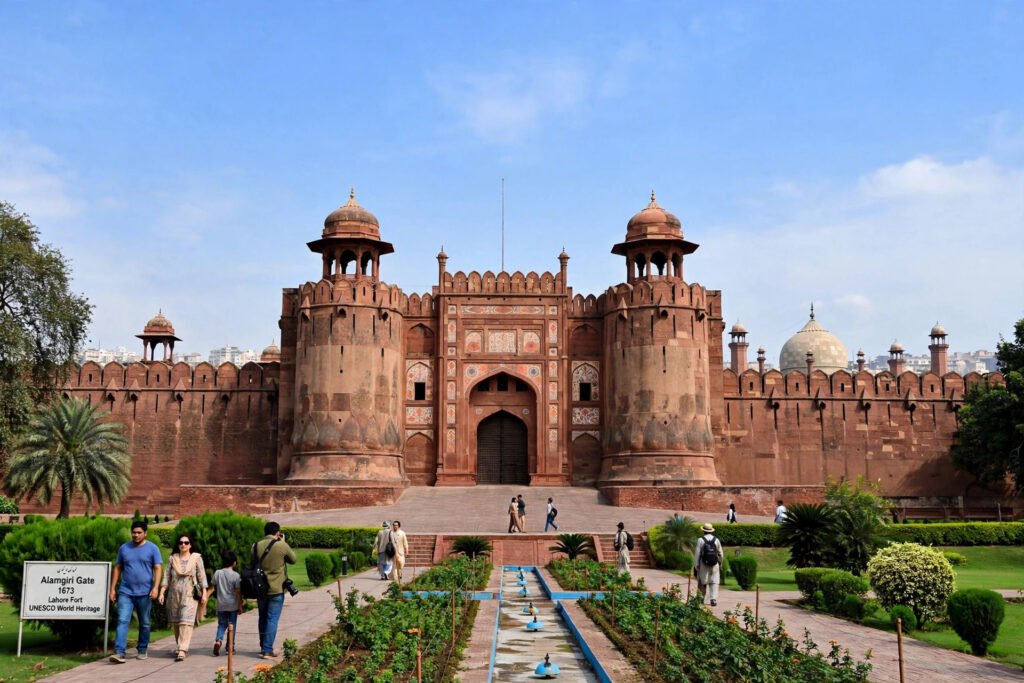
View Lahore Fort on Google Maps
The Lahore Fort is a massive Mughal fortress in the heart of Lahore. It was expanded by emperors Akbar, Jahangir, Shah Jahan, and Aurangzeb, and holds treasures like the Sheesh Mahal (Palace of Mirrors) and the Naulakha Pavilion.
Together with the Shalimar Gardens, it is a UNESCO World Heritage Site, inscribed in 1981. The Alamgiri Gate, built by Aurangzeb, is one of the most photographed monuments in Pakistan.
For a different side of Lahore’s history, the army museum lahore in Lahore Cantonment tells the story of the Pakistan Army through its galleries, life-size dioramas and outdoor tanks and aircraft.
3. Rohtas Fort

View Rohtas Fort on Google Maps
Rohtas Fort stands near Jhelum in Punjab. It was built in the 1540s by Sher Shah Suri, and its huge walls and gates were never conquered in battle.
It is a UNESCO World Heritage Site, inscribed in 1997. The fort’s massive Sohail Gate and the long walls stretching over the hills make it one of the most impressive military landmarks in South Asia.
The fort is one of the top places to visit in Jhelum.
4. Mohenjo-Daro

View Mohenjo-Daro on Google Maps
Mohenjo-Daro, near Larkana in Sindh, was one of the largest cities of the Indus Valley Civilization around 2500 BCE. Its planned streets, drainage system, and the famous Great Bath show how advanced the ancient city was.
It is a UNESCO World Heritage Site, inscribed in 1980, and the oldest of Pakistan’s listed sites. The on-site museum displays seals, tools, and pottery found in the ruins.
5. Taxila
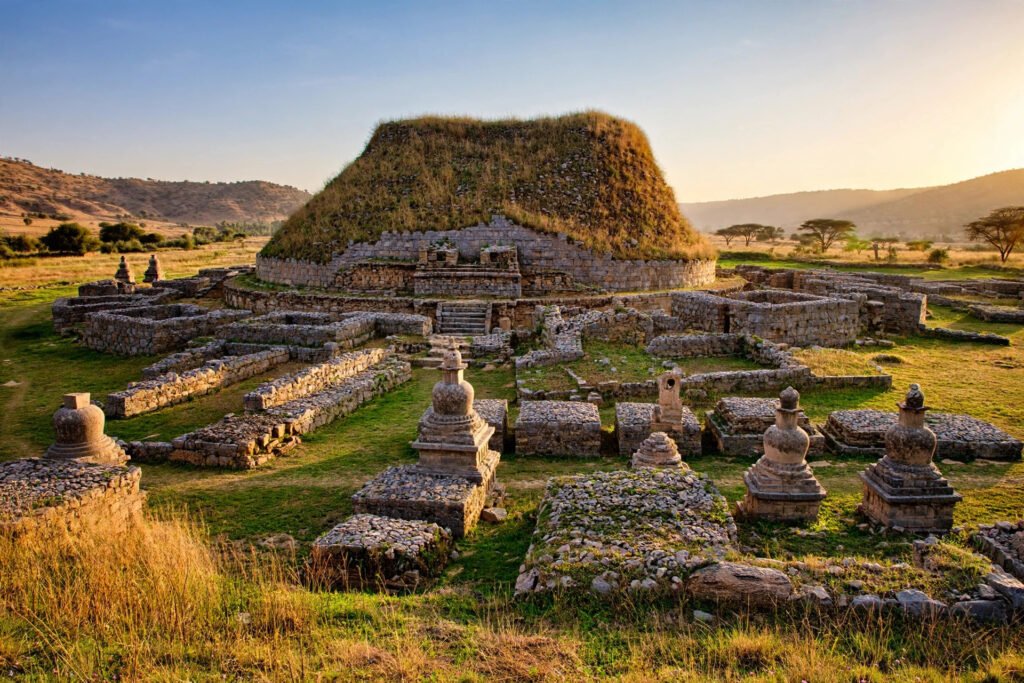
Taxila, near Islamabad, was an ancient centre of learning of the Gandhara civilization. Its stupas and monasteries, including the Dharmarajika Stupa, date back more than two thousand years.
It is a UNESCO World Heritage Site, inscribed in 1980. The Taxila Museum holds one of the finest collections of Gandharan Buddhist art in the world.
6. Makli Necropolis
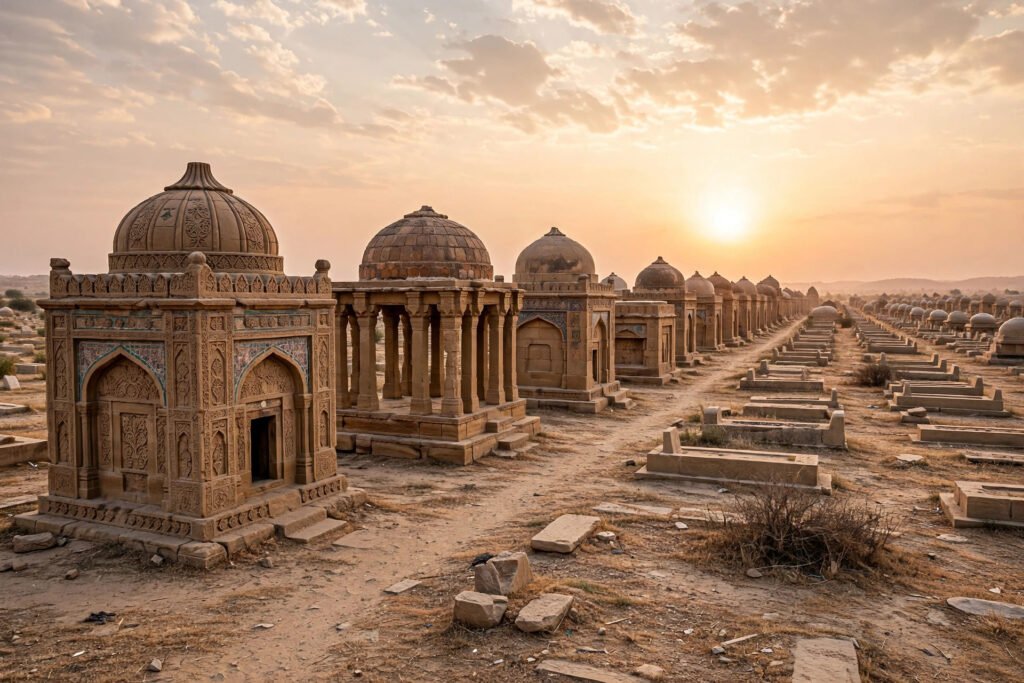
View Makli Necropolis on Google Maps
The Makli Necropolis near Thatta in Sindh is one of the largest graveyards in the world, with tombs and mausoleums from the 14th to 18th centuries. Its carved stone tombs mix Islamic, Persian, and local styles.
It is a UNESCO World Heritage Site, inscribed in 1981. Walking among the centuries-old monuments feels like walking through an open-air museum of Sindh’s history.
7. Harappa
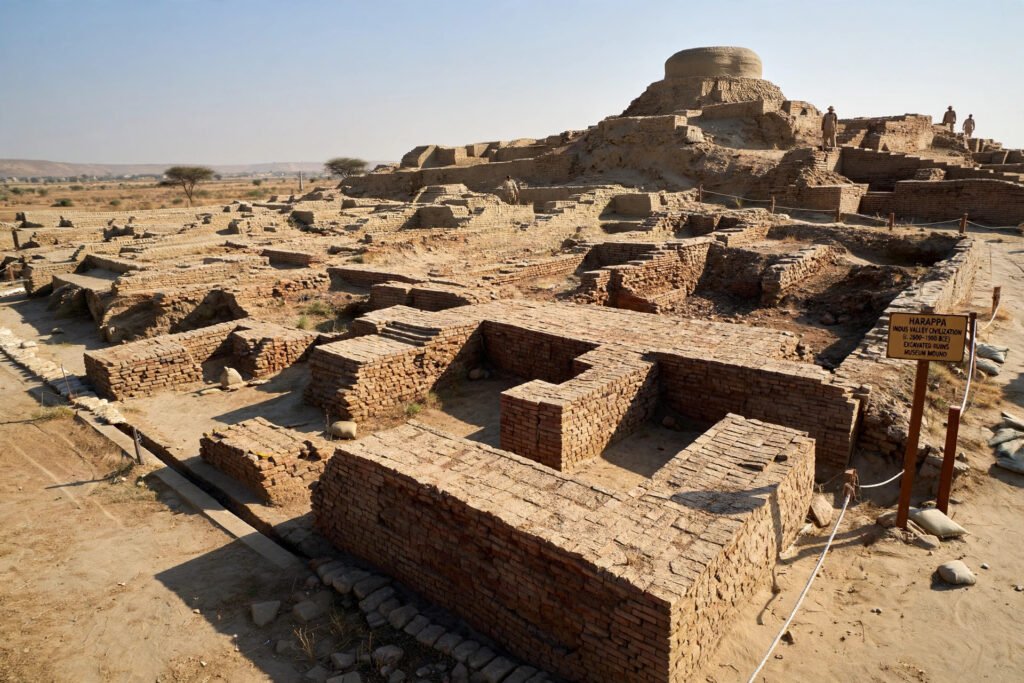
Harappa, near Sahiwal in Punjab, was one of the major cities of the Indus Valley Civilization around 2600 BCE. It is the sister city of Mohenjo-Daro, and excavations have revealed planned streets, granaries, and thousands of carved seals.
The on-site Harappa Museum displays pottery, tools, and jewellery found in the ruins. Unlike Mohenjo-Daro, Harappa is not on the UNESCO World Heritage list, but it remains one of the most important archaeological sites in South Asia.
8. Baltit Fort

View Baltit Fort on Google Maps
Baltit Fort stands above Karimabad in Hunza Valley. It is more than 700 years old and was the home of the Mirs (rulers) of Hunza until the mid-20th century.
It was carefully restored by the Aga Khan Trust for Culture and now works as a museum. From its terraces, you get stunning views of Ultar Sar and the Hunza Valley below.
9. Wazir Khan Mosque
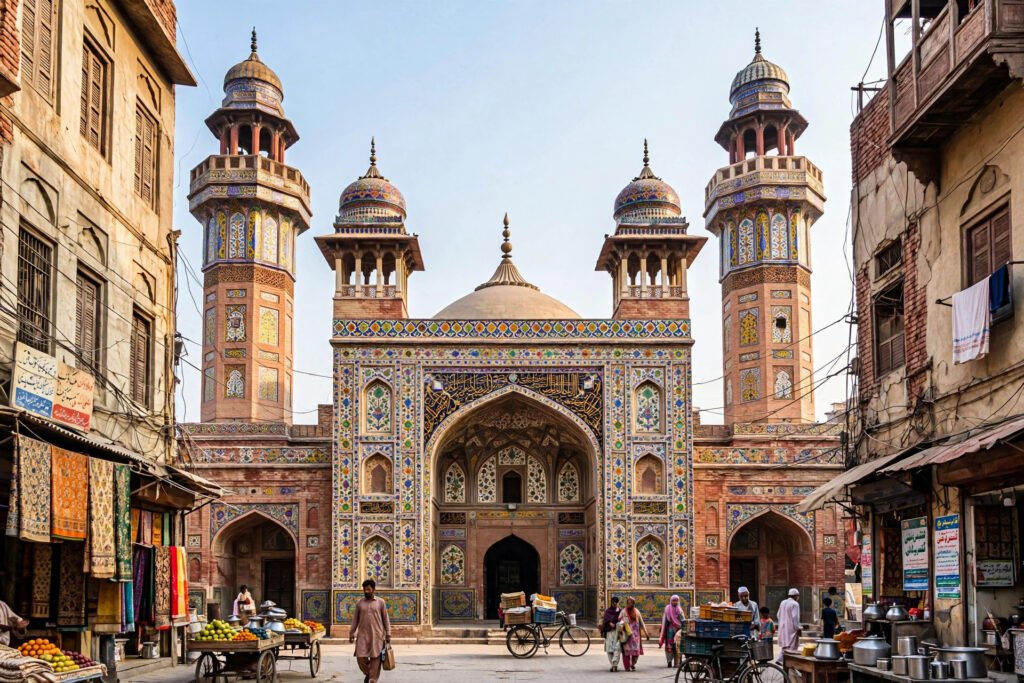
View Wazir Khan Mosque on Google Maps
The Wazir Khan Mosque in Lahore’s old city was built in 1634–1635 during Shah Jahan’s reign. It is famous for its colourful tile work and frescoes, which cover almost every surface inside and out.
Unlike the grand Badshahi Mosque, Wazir Khan feels intimate and artistic. It sits in the middle of the old city’s bazaars, so a visit combines history with street life.
10. Shalimar Gardens
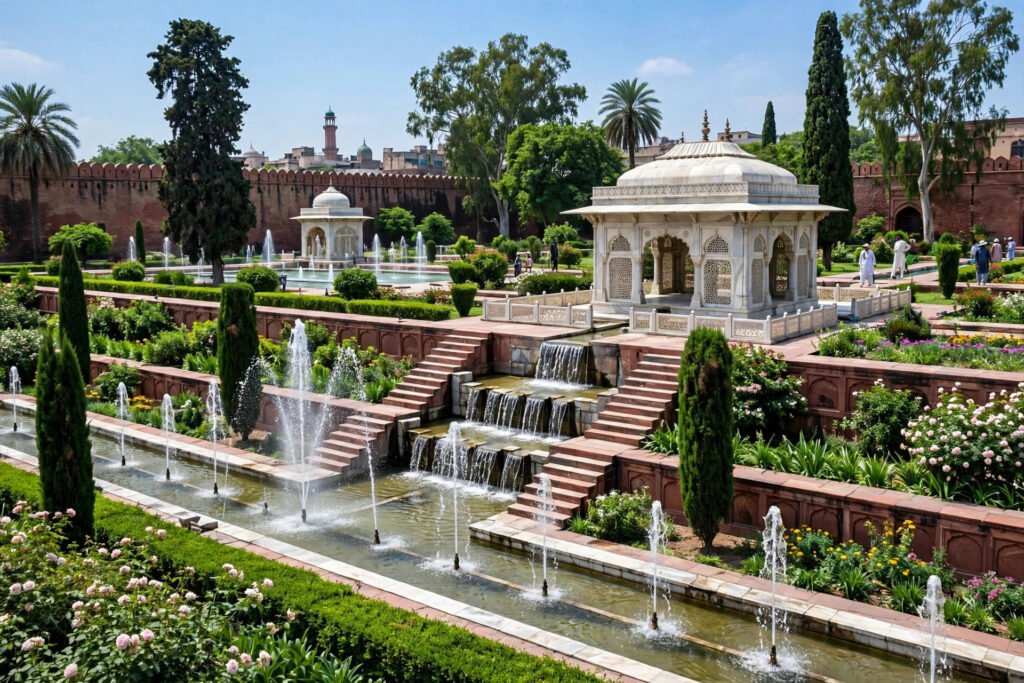
View Shalimar Gardens on Google Maps
The Shalimar Gardens in Lahore were built in 1641–1642 by Shah Jahan. These Persian-style gardens have three terraces with fountains, marble pavilions, and flowing water channels.
Together with the Lahore Fort, they form a UNESCO World Heritage Site, inscribed in 1981. The gardens are at their best in spring, when the flowers bloom and the fountains run.
How to Reach
Most of these landmarks are easy to reach. Lahore’s sites (Badshahi Mosque, Lahore Fort, Wazir Khan Mosque, Shalimar Gardens) are all in one city. Rohtas Fort is near Jhelum on the Grand Trunk Road. Taxila is a short drive from Islamabad. Mohenjo-Daro and Makli are in Sindh, reached via Larkana and Thatta. Derawar Fort needs a desert drive from Bahawalpur, and Baltit Fort is in Karimabad, Hunza. Check local transport and road conditions before going. Together, these Pakistan landmarks make a perfect heritage tour of the country.
Best Time to Visit
The best time to visit Pakistan landmarks is October to March, when the weather is cool and pleasant. Summers (May to August) are very hot in Punjab and Sindh, which makes fort and ruin visits tiring. Hunza’s Baltit Fort is best from May to October, when the Karakoram Highway is fully open.
If you are planning a wider trip, also see our guide to places to visit in Pakistan.
FAQs
Which are the most famous landmarks in Pakistan?
The most famous Pakistan landmarks include Badshahi Mosque, Lahore Fort, Rohtas Fort, Mohenjo-Daro, Harappa, Taxila, Makli Necropolis, and Baltit Fort. Six of them are UNESCO World Heritage Sites.
How many UNESCO World Heritage Sites are in Pakistan?
Pakistan has six cultural UNESCO World Heritage Sites: Mohenjo-Daro, Taxila, Takht-i-Bahi, Makli Necropolis, Rohtas Fort, and the Fort and Shalimar Gardens in Lahore.
What is the best time to visit historical landmarks in Pakistan?
October to March is the best time, when the weather is cool. Avoid the hot summer months for fort and desert visits, and check local conditions before you go.
Is Harappa a UNESCO World Heritage Site?
No. Harappa is not on the UNESCO World Heritage list. Mohenjo-Daro is the inscribed Indus Valley site; Harappa remains one of the most important archaeological sites in South Asia.
For a full reference on heritage places, see famous Pakistan landmarks on Tourism for Interfaith Peace.
Important Disclaimer
Opening hours, ticket prices, and access rules at historical sites can change. Some sites may close for restoration or events. Always check current timings and entry rules before visiting, dress respectfully at religious sites, and follow local guidance.